Best 6 Inch Exhaust Fans for 2026: 5 Tested Picks for Kitchens, Bathrooms, and Grow Rooms
Five real 6-inch exhaust fans compared for airflow, noise, and where each one actually belongs in a home.

In this article
Who this guide is for
A 6 inch exhaust fan is one of those parts everybody eventually needs to replace: a bathroom fan that stopped pulling air, a kitchen wall vent that's too loud to run during dinner, a garage or laundry room that needs help clearing humidity, or a grow tent that needs quiet, controllable inline airflow. "6 inch" refers to the duct/opening size the fan fits, not the fan's overall footprint, so the picks below cover different mounting styles -- wall-mounted, inline duct, and kitchen exhaust -- so you can match the fan to the actual opening and the actual job.
Quick comparison
| Fan | CFM | Style | Price | Rating | |
|---|---|---|---|---|---|
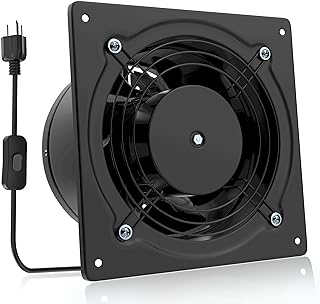 HG Power 6" Wall Exhaust Fan HG Power 6" Wall Exhaust Fan | 308 CFM | Wall-mounted | $39.99 | 4.4★ | View on Amazon |
 VIVOSUN P6 Inline Fan VIVOSUN P6 Inline Fan | 345 CFM | Inline duct | $33.99 | 4.3★ | View on Amazon |
 AC Infinity CLOUDLINE S6 AC Infinity CLOUDLINE S6 | Quiet inline, speed controller | Inline duct | $99.00 | 4.8★ | View on Amazon |
 VEVOR Inline Duct Fan VEVOR Inline Duct Fan | 400 CFM | Inline duct | $53.89 | 4.4★ | View on Amazon |
 Amico 6" Kitchen Exhaust Fan Amico 6" Kitchen Exhaust Fan | 358 CFM | Wall-mounted, remote | $56.99 | 4.3★ | View on Amazon |
The picks
HG Power 6 Inch Wall Exhaust Fan
This is the straightforward option for anyone replacing an old wall-mounted vent fan in a kitchen, attic, or garage window. It's a metal-bodied unit that mounts directly in a 6 inch wall or window opening rather than needing ductwork run to it.
Pros: simple direct-mount install, metal housing holds up in humid rooms, budget-friendly for the airflow it delivers. Cons: it's a single-speed fan with no built-in speed control, and like most direct wall fans it's louder than an inline duct fan. Who should skip it: anyone who wants variable speed or near-silent operation should look at the inline options below instead.
VIVOSUN P6 Inline Fan with Speed Control
The VIVOSUN P6 is built to sit inline on 6 inch flexible or rigid ducting rather than mount flush in a wall, which makes it a favorite for grow tents, basements, and bathrooms where the fan itself is hidden above a ceiling or behind a wall and only the duct run is visible.
Pros: included speed controller lets you dial airflow down for quieter operation, strong reputation in the grow-tent community, solid CFM for the price. Cons: it needs actual ducting to install correctly, it's not a drop-in replacement for a flush wall fan. Who should skip it: if you just need a fan that mounts directly in a wall opening with no duct run, this isn't that fan.
AC Infinity CLOUDLINE S6
This is the fan to buy if noise is the main complaint with your current setup. AC Infinity built its reputation on quiet inline fans for grow rooms and server closets, and the CLOUDLINE S6 carries that same EC-motor design down to the 6 inch size, with a wired speed controller for fine-tuning airflow.
Pros: noticeably quieter than standard AC-motor fans at comparable airflow, precise speed control, well-reviewed build quality. Cons: it costs roughly double some of the other picks here, and it's still an inline duct fan so it needs ducting, not a flush wall opening. Who should skip it: budget-focused buyers doing a simple wall-fan swap will get more value from the HG Power or Amico picks.
VEVOR Inline Duct Fan
The VEVOR fan lands in the middle: an AC-motor inline duct fan with a separate variable speed controller and one of the higher CFM ratings in this size class, aimed at people who want more raw airflow for a bigger space -- garages, workshops, or larger grow tents.
Pros: high CFM for the price, included variable speed dial, straightforward duct-clamp installation. Cons: AC motors like this run louder at full speed than the EC-motor CLOUDLINE, and it's bulkier than the smaller wall fans. Who should skip it: if quiet operation matters more than max airflow, the CLOUDLINE S6 is the better fit.
Amico 6 Inch Kitchen Exhaust Fan
Amico's fan is a direct wall-mount unit like the HG Power, but adds a remote control and nine speed settings along with an EC motor, aimed squarely at kitchen use where you want to adjust airflow without reaching for a wall switch mid-cooking.
Pros: remote-controlled 9-speed operation, EC motor is more efficient and quieter than a basic AC-motor wall fan, direct-mount install like the HG Power. Cons: newer listing with a smaller review base than some picks here, priced a bit above the basic wall-fan category. Who should skip it: if you don't need multi-speed control or a remote, the cheaper HG Power covers the same basic wall-mount job.
How we chose
We focused on fans that are genuinely rated for the 6 inch category -- either a 6 inch duct/inline diameter or a 6 inch wall/window opening -- and split them by mounting style, since that's the detail that actually determines whether a fan will fit your install. We weighted CFM, motor type (AC vs. the quieter EC motors), whether a speed controller was included, and real buyer review volume and rating, and we skipped listings without enough independent reviews to judge reliability. Prices and ratings shift on Amazon, so always check the current listing before buying.
Final verdict
For a simple, no-duct wall or window swap, the HG Power fan is the easiest drop-in choice. If you're running actual ductwork -- grow tent, basement, or a longer vent run -- the VIVOSUN P6 is a strong all-around inline pick, and the AC Infinity CLOUDLINE S6 is worth the extra cost if quiet operation is the priority. For bigger spaces that need more raw airflow, the VEVOR fan delivers the highest CFM here, and for a kitchen upgrade with remote convenience, the Amico fan is the one built for that job specifically.
Frequently asked questions
Does a 6 inch exhaust fan mean the fan itself is 6 inches, or the duct opening?
It refers to the duct or wall opening diameter the fan is designed to fit, not the overall size of the fan housing, which is usually larger.
Do I need an inline fan or a wall-mounted fan?
If your space already has ductwork running to the outside (common in grow tents, basements, or longer vent runs), an inline fan sits inside that ductwork. If you have a direct wall or window opening with no duct run, a wall-mounted fan installs flush in that opening.
Why do some 6 inch fans cost twice as much as others?
The main differences are motor type (EC motors run quieter and more efficiently but cost more than AC motors), included speed controllers, and CFM output -- higher airflow and quieter operation both add to the price.
What CFM do I need for a bathroom or kitchen?
Most residential bathrooms are well served by 80-150 CFM, but for larger kitchens, garages, or basements, a 300+ CFM fan like the ones in this guide clears air and moisture much faster.
Can I use a grow-tent inline fan for a bathroom or basement?
Yes -- inline duct fans like the VIVOSUN or AC Infinity picks are general-purpose ventilation fans that work for bathrooms, basements, and utility rooms as long as you have ducting to connect them to.