Best Azelaic Acid Toners for Redness and Uneven Tone: 6 Real Picks
Six azelaic acid toners and treatments compared for anyone dealing with redness, post-acne marks, or uneven skin tone -- from budget-friendly serums to Korean cica formulas.
In this article
- Who this guide is for
- Comparison table
- The picks, reviewed
- 1. medicube Azelaic Acid Niacinamide Clarifying Toner
- 2. Anua Azelaic Acid 3 CICA Clarifying Toner
- 3. Anua Azelaic Acid 10 Hyaluronic Acid Soothing Toner Pads
- 4. Naturium Multi-Bright Milky Toner
- 5. The Ordinary Azelaic Acid Suspension 10%
- 6. CeraVe Hydrating Toner with Niacinamide and Ceramides
- How we chose these picks
- Final verdict
- FAQs
Who this guide is for
Azelaic acid has quietly become one of the most versatile ingredients in skincare -- it calms redness, fades post-breakout marks, refines texture, and works for both acne-prone and rosacea-leaning skin without the harshness of stronger acids. This guide is for anyone shopping for a toner, essence, or leave-on treatment built around azelaic acid, whether you want a gentle daily Korean-style toner or a stronger nightly spot-corrector. We compared six real, currently-available options across price points and formulas so you can match one to your skin type and budget.
Comparison table
| Product | Image | Best For | Price | Rating | Link |
|---|---|---|---|---|---|
| medicube Azelaic Acid Niacinamide Clarifying Toner |  | Oily, blemish-prone skin | $18.30 | 4.6 | View on Amazon |
| Anua Azelaic Acid 3 CICA Clarifying Toner | 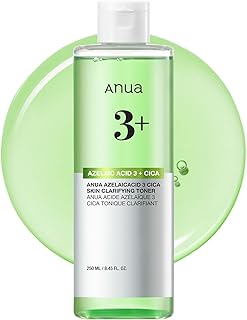 | Redness-prone, sensitive skin | $21.00 | 4.6 | View on Amazon |
| Anua Azelaic Acid 10 Hyaluronic Acid Soothing Toner Pads |  | Convenience, on-the-go pads | $22.00 | 4.5 | View on Amazon |
| Naturium Multi-Bright Milky Toner |  | Dullness and uneven texture | $16.99 | 4.5 | View on Amazon |
| The Ordinary Azelaic Acid Suspension 10% |  | Budget-friendly, targeted spots | $12.20 | 4.5 | View on Amazon |
| CeraVe Hydrating Toner with Niacinamide and Ceramides |  | Dry, barrier-compromised skin | $9.57 | 4.6 | View on Amazon |
The picks, reviewed
1. medicube Azelaic Acid Niacinamide Clarifying Toner
medicube pairs azelaic acid with niacinamide in a lightweight, alcohol-free toner aimed at oily and congestion-prone skin. It layers well under other actives without pilling and leaves skin feeling clean rather than stripped.
Pros: Fast-absorbing, doesn't feel sticky, pairs well with a niacinamide-heavy routine, no strong fragrance. Cons: Bottle empties quickly with daily double-patting use; not as hydrating on its own for very dry skin. Who should skip it: Anyone with a dry or dehydrated barrier who needs a richer, more emollient toner.
2. Anua Azelaic Acid 3 CICA Clarifying Toner
This is the toner most people picture when they search for azelaic acid skincare -- Anua combines a gentle 3% concentration with centella (cica) to calm visible redness while still delivering the brightening and pore-refining benefits azelaic acid is known for.
Pros: Genuinely calming on reactive skin, low irritation risk, large bottle size, works well as a first step in a layering routine. Cons: Milder concentration means slower results for stubborn dark spots; scent is faint but present. Who should skip it: Anyone wanting a stronger, faster-acting treatment for deep post-acne marks.
3. Anua Azelaic Acid 10 Hyaluronic Acid Soothing Toner Pads
For a stronger 10% concentration in a no-mess, pre-soaked pad format, this Anua option is built for consistency -- swipe, done. The pads double as gentle exfoliation thanks to the textured surface.
Pros: Higher active concentration than the liquid toner, mess-free application, good for travel, generous pad count. Cons: Higher concentration can sting on very reactive skin if overused; pads dry out faster once opened in humid climates. Who should skip it: First-time azelaic acid users who should start with a lower percentage.
4. Naturium Multi-Bright Milky Toner
Naturium's milky exfoliating toner blends azelaic acid with a broader brightening complex, giving it more of an overall glow-and-texture focus rather than targeting redness alone. It's a good pick for people who want one product doing double duty as light exfoliation.
Pros: Noticeably smooths texture with regular use, pleasant lightweight milky consistency, budget-friendly for the brand tier. Cons: Contains additional exfoliating acids, so it's not the gentlest option for very sensitive or rosacea-prone skin. Who should skip it: Anyone who reacts to multi-acid formulas or is already using strong exfoliants elsewhere in their routine.
5. The Ordinary Azelaic Acid Suspension 10%
The Ordinary's cult-favorite suspension is a thicker, cream-like leave-on treatment rather than a liquid toner, but it belongs in this comparison because it's the reference point most shoppers compare everything else against. It's potent, cheap, and widely reviewed.
Pros: Very affordable for the concentration, well-documented results for post-acne marks and uneven tone, easy to spot-treat. Cons: Thicker texture needs a moment to sink in and can pill under makeup if layered wrong; slight medicinal scent. Who should skip it: Anyone who prefers a lightweight, splash-on toner feel rather than a leave-on cream.
6. CeraVe Hydrating Toner with Niacinamide and Ceramides
CeraVe's toner isn't an azelaic acid formula, but it's included here as the barrier-support companion many people pair with a stronger azelaic acid treatment (like pick #5) to offset any dryness -- a common real-world routine for sensitive or compromised skin.
Pros: Ceramide and niacinamide blend genuinely helps rebuild barrier comfort, non-alcoholic and fragrance-free, very affordable. Cons: Doesn't contain azelaic acid itself, so it's a supporting product rather than a standalone pick for tone concerns. Who should skip it: Anyone specifically shopping for an azelaic acid formula and not a hydrating companion step.
How we chose these picks
We prioritized products with a genuine, listed azelaic acid concentration (rather than vague "brightening complex" claims), a real track record of customer ratings, and a spread of concentrations and formats -- from gentle daily toners to stronger leave-on treatments -- so this list works whether you're just starting out or already know azelaic acid agrees with your skin. We also included one non-azelaic hydrating toner because in practice, most people using a stronger azelaic acid product pair it with a barrier-support step, and it's worth acknowledging that real routine.
Final verdict
If redness and sensitivity are your main concern, start with the Anua 3% CICA toner -- it's the gentlest entry point with real soothing benefits. If you want a stronger, faster-acting option for dark spots and texture, The Ordinary's suspension or the Anua 10% pads deliver more noticeable results. Whichever you choose, patch test first and introduce azelaic acid gradually alongside a simple, non-irritating routine.
FAQs
See structured FAQ section below.
Frequently asked questions
Can I use azelaic acid every day?
Many formulations, especially gentler 3-5% toners, are designed for daily use. Stronger 10% leave-on treatments are often better started 3-4 times a week and increased as your skin adjusts.
Does azelaic acid help with rosacea?
Azelaic acid is a well-studied ingredient for reducing visible redness and is often recommended by dermatologists for rosacea-prone skin, though results vary and persistent redness should be discussed with a doctor.
Can I combine azelaic acid with retinol or vitamin C?
Generally yes, but it's best to introduce them on alternating days or at different times of day (for example, vitamin C in the morning and azelaic acid at night) to reduce the chance of irritation.
Will azelaic acid lighten my skin tone overall?
No. Azelaic acid works on hyperpigmentation and dark spots rather than lightening overall skin tone, and it's considered safe across a range of skin tones when used as directed.
How long before I see results from an azelaic acid toner?
Most people notice a reduction in redness within a few weeks, while fading of dark spots and texture improvements typically take 8-12 weeks of consistent use.