Best Cream for Extremely Dry Skin: 6 Real Picks That Actually Work
Six dermatologist-favorite creams for skin that goes beyond normal dryness -- cracked, flaking, tight, or eczema-prone.
In this article
- Who this guide is for
- Comparison table
- CeraVe Intensive Moisturizing Cream
- Aquaphor Advanced Therapy Healing Ointment
- Eucerin Advanced Repair Cream with Urea
- Vanicream Moisturizing Cream
- La Roche-Posay Lipikar AP+MAX Triple Repair Cream
- Curel Ultra Healing Body Lotion
- How we chose these picks
- Final verdict
- Frequently asked questions
Who this guide is for
If a regular drugstore lotion soaks in and vanishes within an hour, and your skin is still tight, flaking, or visibly cracked by evening, you are dealing with more than everyday dryness. This guide is for people with genuinely dry skin -- on the hands, body, or face -- including those managing eczema-prone or diabetic-adjacent dryness, cold-weather cracking, or skin that has never responded well to "normal" moisturizers. We looked past marketing claims and focused on formulas built around proven barrier-repair ingredients: ceramides, urea, petrolatum, shea butter, and glycerin, rather than fragrance and filler.
Comparison table
| Product | Image | Price | Rating | Best for | Link |
|---|---|---|---|---|---|
| CeraVe Intensive Moisturizing Cream |  |
$ | 4.8 | Very dry face & body, daily use | Check Price |
| Aquaphor Advanced Therapy Healing Ointment |  |
$ | 4.8 | Cracked, broken, or extremely dry patches | Check Price |
| Eucerin Advanced Repair Cream with Urea |  |
$ | 4.7 | Rough, flaking skin that needs urea | Check Price |
| Vanicream Moisturizing Cream | 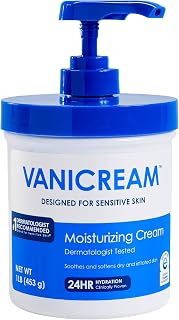 |
$ | 4.6 | Sensitive, reactive, fragrance-free needs | Check Price |
| La Roche-Posay Lipikar AP+MAX Triple Repair Cream |  |
$$ | 4.6 | Eczema-prone skin, whole-body use | Check Price |
| Curel Ultra Healing Body Lotion |  |
$ | 4.8 | Everyday full-body moisturizing, lighter feel | Check Price |
CeraVe Intensive Moisturizing Cream
This formula leans on three essential ceramides plus shea butter and hyaluronic acid to hold moisture in the skin barrier rather than just sitting on top of it. It is thick enough to genuinely stand up to very dry skin but still spreads without a heavy tug on the fingers.
Pros: Rich, barrier-focused formula; fragrance-free version available; large jar lasts a long time; well suited to face and body.
Cons: The tub packaging means you are dipping fingers in, which some users find less hygienic than a pump.
Who should skip it: Anyone who wants a fast-absorbing lotion for daytime wear under makeup -- this is a heavier night/repair-focused cream.
Aquaphor Advanced Therapy Healing Ointment
Aquaphor is a petrolatum-based ointment, not a lotion, and that distinction matters for truly extreme dryness. It forms an occlusive layer that locks existing moisture in, which makes it a favorite for cracked heels, chapped hands, and irritated patches that regular creams cannot touch.
Pros: Extremely effective on cracked or broken skin; works on lips, hands, and feet; long-standing dermatologist recommendation.
Cons: Greasy texture, not ideal under clothing or on the face during the day; no active fragrance-masking scent.
Who should skip it: Anyone who dislikes a petroleum-jelly feel or needs something that absorbs quickly before getting dressed.
Eucerin Advanced Repair Cream with Urea
Urea is a humectant that actively softens rough, thickened skin rather than just coating it, which is why this formula tends to be the go-to for very flaky elbows, knees, and heels. It also contains ceramide-3 to support the skin barrier long-term.
Pros: Noticeably softens rough patches within days; fragrance-free; fast absorption for a repair cream.
Cons: Urea can mildly sting on freshly cracked or open skin for some users.
Who should skip it: Anyone with active broken skin or a known urea sensitivity should patch-test first or choose a urea-free option like Aquaphor instead.
Vanicream Moisturizing Cream
Vanicream was built for reactive skin -- no dyes, fragrance, lanolin, or common irritants -- which makes it a dermatologist staple for eczema and sensitive dry skin. It is a simpler formula than some competitors, relying on classic emollients rather than trend ingredients.
Pros: Minimal ingredient list; pump dispenser stays hygienic; gentle enough for face and body.
Cons: Less "rich" feeling than ointment-style options, so it may need more frequent reapplication on the most severe patches.
Who should skip it: Anyone wanting a fast, intensive fix for cracked skin overnight -- this is more of a daily maintenance cream.
La Roche-Posay Lipikar AP+MAX Triple Repair Cream
Developed with dermatologists for eczema-prone and atopic skin, this cream combines shea butter, niacinamide, and a prebiotic thermal water to calm and re-hydrate at once. It is the priciest pick here but is frequently recommended for chronic, recurring dryness rather than a one-off dry spell.
Pros: Fast relief for itching and tightness; suitable for the whole family including children in some formulations; non-greasy despite the richness.
Cons: Costs more per ounce than the drugstore options on this list.
Who should skip it: Budget shoppers who just need a basic daily lotion rather than a targeted eczema-support formula.
Curel Ultra Healing Body Lotion
Curel's Ultra Healing line uses a ceramide-supporting complex in a lighter lotion base, which makes it a good pick for people who need serious moisture but do not want a heavy cream for daily, whole-body coverage.
Pros: Absorbs quickly for a healing-focused formula; large pump bottle is practical for daily use; fragrance-free option available.
Cons: Not as occlusive as ointment-style products, so it may not be enough for the most severe cracked patches on its own.
Who should skip it: Anyone dealing with actively cracked or broken skin who needs a heavier occlusive like Aquaphor first.
How we chose these picks
We prioritized formulas built on ingredients with real evidence behind them for barrier repair -- ceramides, urea, petrolatum, and shea butter -- over products that lead with fragrance or trend claims. Every pick here has a large volume of genuine customer ratings and a strong average rating, and we intentionally included a mix of textures (ointment, cream, and lighter lotion) since "extremely dry skin" shows up differently on hands, feet, elbows, and faces. We also made sure fragrance-free options were represented, since fragrance is one of the most common irritants for already-compromised skin.
Final verdict
For most people with genuinely dry, flaking, or tight skin, CeraVe Intensive Moisturizing Cream is the best all-around starting point thanks to its ceramide-based barrier support and versatility across face and body. If the skin is actually cracked or broken, reach for Aquaphor's occlusive ointment instead. Those managing eczema or chronic flare-ups will likely get the most consistent relief from La Roche-Posay Lipikar, while Vanicream remains the safest bet for anyone with known sensitivities to fragrance or dyes.
Frequently asked questions
Frequently asked questions
What ingredients actually help with extremely dry skin?
Look for ceramides, urea, glycerin, shea butter, and petrolatum. These either replace lipids in the skin barrier or physically seal moisture in, unlike fragrance or trend ingredients that offer little functional benefit for severe dryness.
Is a cream better than a lotion for very dry skin?
Generally yes. Creams and ointments contain less water and more oil than lotions, so they sit on the skin longer and provide stronger, longer-lasting hydration -- which matters more as dryness gets more severe.
Should I use urea-based creams every day?
Urea creams are safe for daily use on intact skin and are especially effective on rough patches like elbows, heels, and knees. On freshly cracked or broken skin, they can sting, so patch-test first or switch to a petrolatum-based ointment until the skin heals.
Can a body cream help with eczema-prone skin?
Fragrance-free, ceramide- or shea-butter-based creams can meaningfully reduce eczema flare frequency and severity as part of a daily routine, but they are a maintenance tool, not a substitute for prescribed treatment during an active flare.
How often should I reapply for extremely dry skin?
Most dermatologists recommend applying moisturizer within a few minutes of bathing or showering, then reapplying at least once more during the day on hands, and nightly on the body, especially in cold or low-humidity conditions.