Best Cream for Redness on Face: 6 Real Picks for Calmer, Even-Toned Skin
Six real face creams that target visible redness, from drugstore basics to dermatologist-recommended formulas.
In this article
- Who this guide is for
- Comparison table
- The picks
- 1. Cetaphil Redness Relieving Night Cream
- 2. La Roche-Posay Toleriane Rosaliac AR
- 3. Aveeno Calm + Restore Redness Relief Moisturizing Cream
- 4. Good Molecules 10% Azelaic Acid Treatment
- 5. Dr. Jart+ Cicapair Soothing Color Correcting Treatment SPF 30
- 6. suquato 10% Azelaic Acid Cream
- How we chose these picks
- Final verdict
- FAQs
Who this guide is for
If your cheeks, nose or chin flush easily, stay pink long after a hot shower, or you've been dealing with rosacea-type flare-ups, this guide is for you. We rounded up real, currently-sold redness creams on Amazon that lean on proven calming ingredients -- niacinamide, azelaic acid, centella asiatica, licochalcone -- rather than heavy fragrance or harsh actives that can make reactive skin worse. This is not a guide for acne spot treatment or sunburn first aid; it's for everyday, chronic-looking redness and uneven tone.
Comparison table
| Product | Rating | Price | Link |
|---|---|---|---|
 Cetaphil Redness Relieving Night Cream Cetaphil Redness Relieving Night Cream | 4.4/5 | $9.59 | View on Amazon |
 La Roche-Posay Toleriane Rosaliac AR La Roche-Posay Toleriane Rosaliac AR | 4.4/5 | $30.99 | View on Amazon |
 Aveeno Calm + Restore Redness Relief Aveeno Calm + Restore Redness Relief | 4.4/5 | $19.97 | View on Amazon |
 Good Molecules 10% Azelaic Acid Treatment Good Molecules 10% Azelaic Acid Treatment | 4.5/5 | $11.99 | View on Amazon |
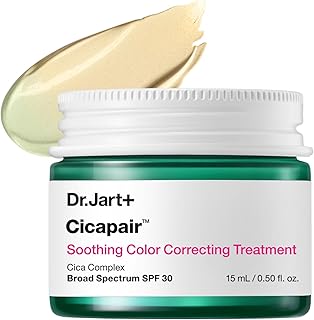 Dr. Jart+ Cicapair Soothing Treatment Dr. Jart+ Cicapair Soothing Treatment | 4.2/5 | $18.75 | View on Amazon |
 suquato 10% Azelaic Acid Cream suquato 10% Azelaic Acid Cream | 4.4/5 | $11.45 | View on Amazon |
The picks
1. Cetaphil Redness Relieving Night Cream
This is the easy, low-commitment entry point. It's a fragrance-free night moisturizer built specifically around calming visible redness while you sleep, and it's become a genuine bestseller because it doesn't ask much of your routine -- apply and go.
Pros: Fragrance-free formula, budget-friendly, widely available, gentle enough for nightly use. Cons: No SPF (it's a night product), results are gradual rather than dramatic, jar size is on the small side. Who should skip it: Anyone wanting a daytime cream with sun protection built in.
2. La Roche-Posay Toleriane Rosaliac AR
A dermatology-brand staple that's frequently recommended for rosacea-prone and reactive skin. The formula focuses on strengthening the skin barrier while visibly reducing the look of redness over consistent use.
Pros: Backed by a well-known dermatological skincare line, lightweight texture, fragrance-free, layers well under makeup. Cons: Priced higher than drugstore options, some users need several weeks before seeing a difference. Who should skip it: Shoppers on a tight budget who want a cheaper first try before committing.
3. Aveeno Calm + Restore Redness Relief Moisturizing Cream
Aveeno leans on its usual oat-based, dermatologist-tested formula here, aimed at reducing the appearance of redness while keeping skin comfortably moisturized -- a solid middle-ground option between drugstore and prestige.
Pros: Oat-based soothing base, non-comedogenic, fragrance-free, comfortable daily texture. Cons: Jar can run through quickly with daily use, scent-free formula feels very plain to some users. Who should skip it: Anyone who prefers a gel-cream over a thicker cream texture.
4. Good Molecules 10% Azelaic Acid Treatment
Azelaic acid is one of the most-recommended actives for blurring facial redness and evening out tone, and this budget option makes it accessible without the prestige price tag. It's vegan and fragrance-free.
Pros: Contains a clinically-backed active ingredient, very affordable, vegan and fragrance-free, doubles as a texture-refining treatment. Cons: An active treatment rather than a plain moisturizer, so it's best layered with a separate moisturizer, can feel slightly tacky on application. Who should skip it: Anyone brand new to actives who wants a simple, single-step moisturizer instead.
5. Dr. Jart+ Cicapair Soothing Color Correcting Treatment SPF 30
This Korean-skincare favorite does double duty: it visibly color-corrects redness on application while treating it with centella asiatica underneath, and it includes SPF 30 for daytime wear -- useful since sun exposure often worsens visible redness.
Pros: Instant visual color-correction plus SPF 30, centella asiatica for calming, cult-favorite formula. Cons: The green tint takes some getting used to, pricier per ounce than plain moisturizers. Who should skip it: Anyone who only wants a nighttime treatment with no tint or SPF.
6. suquato 10% Azelaic Acid Cream
Another azelaic-acid-forward option, this one is formulated as a lightweight daily cream rather than a spot treatment, aimed squarely at rosacea-type redness and blemish-related discoloration.
Pros: Lightweight daily-use texture, targets both redness and blemish marks, affordable price point. Cons: Newer brand with a smaller review base, may need patch testing given the active concentration. Who should skip it: Anyone who prefers established, long-track-record skincare brands over newer entrants.
How we chose these picks
We only included products that are currently listed and purchasable on Amazon with real ratings and review volume behind them. We prioritized formulas built around ingredients with actual evidence for reducing visible redness -- azelaic acid, centella asiatica, niacinamide and barrier-supporting bases -- and skipped anything relying purely on fragrance or marketing claims. We also mixed price points on purpose: there's a sub-$10 option, several mid-range picks, and one prestige dermatology brand, so this list works whether you're testing the waters or ready to commit to a routine staple.
Final verdict
For most people dealing with everyday facial redness, the Cetaphil Redness Relieving Night Cream is the easiest starting point -- cheap, fragrance-free, and simple to slot into an existing routine. If your redness is more persistent or rosacea-related, the La Roche-Posay Toleriane Rosaliac AR or an azelaic-acid option like Good Molecules or suquato will likely do more heavy lifting. Whichever you choose, patch test first and give any new redness cream at least three to four weeks before judging results, since visible skin changes take time.
FAQs
Frequently asked questions
How long does it take to see results from a redness cream?
Most people need three to six weeks of consistent daily use before visible redness noticeably improves. Actives like azelaic acid can take even longer to show their full effect.
Can I use a redness cream if I have rosacea?
Many of these formulas, especially azelaic-acid and centella-based creams, are commonly used for rosacea-related redness, but anyone with diagnosed rosacea should also check in with a dermatologist for a full treatment plan.
Should I apply redness cream before or after sunscreen?
Apply your redness treatment first, let it absorb, then follow with sunscreen if it's daytime. A couple of the picks above include SPF built in, which simplifies this step.
Will a redness cream also help with acne or dark spots?
Some ingredients like azelaic acid can help with both redness and post-acne marks, but these creams are formulated primarily for redness and tone-evening, not as dedicated acne treatments.
Is fragrance-free important for redness-prone skin?
Yes. Fragrance is one of the most common irritants for reactive, redness-prone skin, which is why most of the picks above are fragrance-free or very lightly scented.