Best Foot Cream for Dry Feet: 6 Real Picks for 2026
Six real foot creams for rough, dry, or cracked heels -- from everyday urea formulas to overnight balms -- so you can pick the right texture and strength for your feet.

In this article
Who this guide is for
If your heels crack in the winter, your soles feel like sandpaper after a day in closed shoes, or you're just tired of snagging socks on rough patches, this guide is for you. We rounded up real foot creams sold on Amazon -- from gentle everyday lotions to high-strength urea treatments -- so you can match the right formula to how dry your feet actually are, instead of grabbing whatever's on the shelf. This isn't for diabetic foot ulcers or open wounds -- if you have a chronic skin condition on your feet, talk to a podiatrist first.
Quick comparison
| Product | Image | Best For | Link |
|---|---|---|---|
| O'Keeffe's Healthy Feet Cream |  | Extremely dry, cracked skin | View on Amazon |
| Gold Bond Softening Foot Cream |  | Everyday softening, budget pick | View on Amazon |
| Kerasal Intensive Foot Repair Ointment |  | Rough, callused heels needing fast repair | View on Amazon |
| Eucerin Advanced Repair Foot Cream |  | Sensitive skin that still needs urea | View on Amazon |
| AmLactin Foot Repair Cream |  | Cracked heels, lactic-acid exfoliation | View on Amazon |
| Flexitol Heel Balm | 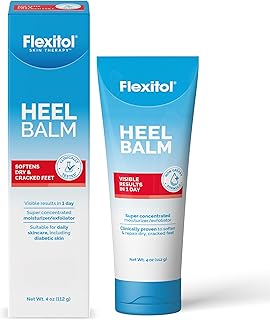 | Deep overnight hydration | View on Amazon |
The picks
O'Keeffe's Healthy Feet Cream
This is the cream most people land on after trying lighter lotions that just don't cut it. It's a thick, almost waxy formula built specifically for feet that are already cracked or peeling, and it forms a barrier rather than just sitting on the surface.
Pros: Very high concentration of active moisturizers, works fast on genuinely rough skin, fragrance-free, widely reviewed with a strong track record.
Cons: Greasy on application, needs socks afterward if you don't want it on your floors, overkill if your feet are only mildly dry.
Who should skip it: Anyone who just wants a light daily lotion -- this is a repair cream, not a maintenance one.
Gold Bond Softening Foot Cream
A reliable, inexpensive everyday option that's easy to find in any pharmacy. It's lighter than the repair-focused creams on this list, which makes it a good fit for people maintaining already-decent skin rather than fixing a problem.
Pros: Absorbs quickly, affordable, pleasant scent, good for daily use after showering.
Cons: Not strong enough for deeply cracked heels, needs more frequent reapplication than urea-based formulas.
Who should skip it: Anyone dealing with visible fissures or calluses -- look at the urea options instead.
Kerasal Intensive Foot Repair Ointment
This one leans more medical than cosmetic, and it shows in the results on genuinely rough, callused skin. It's formulated to soften and help shed thickened skin rather than just moisturize over it.
Pros: Fast visible smoothing on calluses, small tube travels well, works well combined with a pumice stone routine.
Cons: Ointment texture feels different from a typical lotion, strong smell to some noses, small size means you'll reorder often if you use it daily.
Who should skip it: People with sensitive or broken skin -- this is built for tough, thickened areas, not delicate skin.
Eucerin Advanced Repair Foot Cream
Eucerin's dermatologist-leaning reputation carries over here. It uses urea at a gentler level than some of the medical-strength options, so it treats roughness without feeling harsh on skin that reacts to stronger actives.
Pros: Balanced urea level, fragrance-free, multipack value, gentle enough for regular use.
Cons: Takes longer to show results on very thick calluses compared to higher-strength formulas.
Who should skip it: Anyone who needs maximum-strength urea for severe cracking -- this is the moderate option, not the strongest one.
AmLactin Foot Repair Cream
Instead of urea, this one leans on lactic acid to gently exfoliate as it hydrates. It's a good pick if you want visible smoothing without the thicker, occlusive feel of some heel balms.
Pros: Exfoliates while moisturizing, non-greasy finish, works well under socks and shoes during the day.
Cons: Can mildly sting on freshly cracked or broken skin, less intense than the strongest urea creams.
Who should skip it: Anyone with open cracks or raw skin -- let those heal before introducing an acid-based formula.
Flexitol Heel Balm
This balm is built for overnight use -- apply before bed, cover with socks, and wake up to noticeably softer heels. It's thicker than a daytime lotion but that's the point for genuinely stubborn dryness.
Pros: Strong overnight results, long-lasting jar, well-reviewed for deep cracks specifically.
Cons: Too heavy for daytime use under open shoes, takes getting used to the balm texture.
Who should skip it: Anyone who only wants a quick daytime touch-up -- this is a nighttime routine product.
How we chose these
We focused on products with a strong volume of real customer reviews and consistently high ratings, then grouped them by how they actually work -- urea-based repair creams, lactic-acid exfoliators, and lighter everyday lotions -- so this list covers mild dryness through genuinely cracked heels rather than treating every foot problem the same way. We also made sure the lineup wasn't all the same brand or the same texture, since what works for a maintenance routine won't necessarily fix already-cracked skin.
Final verdict
For most people dealing with rough, dry feet, O'Keeffe's Healthy Feet Cream is the safest starting point -- it's strong enough to fix real dryness without needing a prescription-level approach. If your skin is sensitive or you want a gentler daily habit, Eucerin or Gold Bond are easier to live with long-term. And if you're dealing with genuinely stubborn, cracked heels, pair Flexitol's overnight balm with a pumice stone for the fastest visible change.
FAQs section below has more specifics.
Frequently asked questions
How often should I use foot cream for dry, cracked heels?
Daily is typical for maintenance, but if your heels are already cracked, applying an intensive cream both morning and night -- ideally after a shower while skin is still slightly damp -- speeds up results.
What's the difference between urea and lactic acid in foot creams?
Urea softens and helps break down thickened, dead skin while drawing in moisture, making it a good fit for calluses and cracked heels. Lactic acid gently exfoliates the surface while hydrating, which suits milder roughness or maintenance use.
Should I wear socks after applying foot cream?
For thicker balms and overnight treatments, yes -- cotton socks trap moisture and help the cream absorb fully, especially for high-urea formulas used before bed.
Can foot cream help with cracked heels that bleed or hurt?
Mild cracks often respond well to a consistent routine with a repair cream, but if cracks are deep, painful, or bleeding, see a podiatrist before self-treating, since infection risk goes up with open skin.
Is a stronger urea percentage always better?
Not necessarily. Higher urea percentages work faster on thick calluses but can be more likely to sting on sensitive or already-irritated skin, so it's worth matching the strength to how severe your dryness actually is.