Best Inhaler Spacers for Kids: 5 Real Picks for 2026
Five real, well-reviewed inhaler spacers built for children, compared on mask fit, valve feel, and ease of cleaning so parents can pick the right one for their child's age.
In this article
- Who this guide is for
- Comparison table
- The picks, reviewed
- Nessi OTC Inhaler Spacer for Children (Blue/Kids)
- Nessi OTC Inhaler Spacer for Children (Medium)
- Nessi OTC Spacer with Silicone Mask, Anti-Static Chamber & Exhalation Valve
- Nessi OTC Spacer, Soft Fit Mask, Portable & Lightweight (Blue/Kids)
- Soft Silicone Inhaler Spacer for Kids, Fun Colorful Design (Green)
- How we chose
- Buying guide: what actually matters
- Final verdict
Who this guide is for
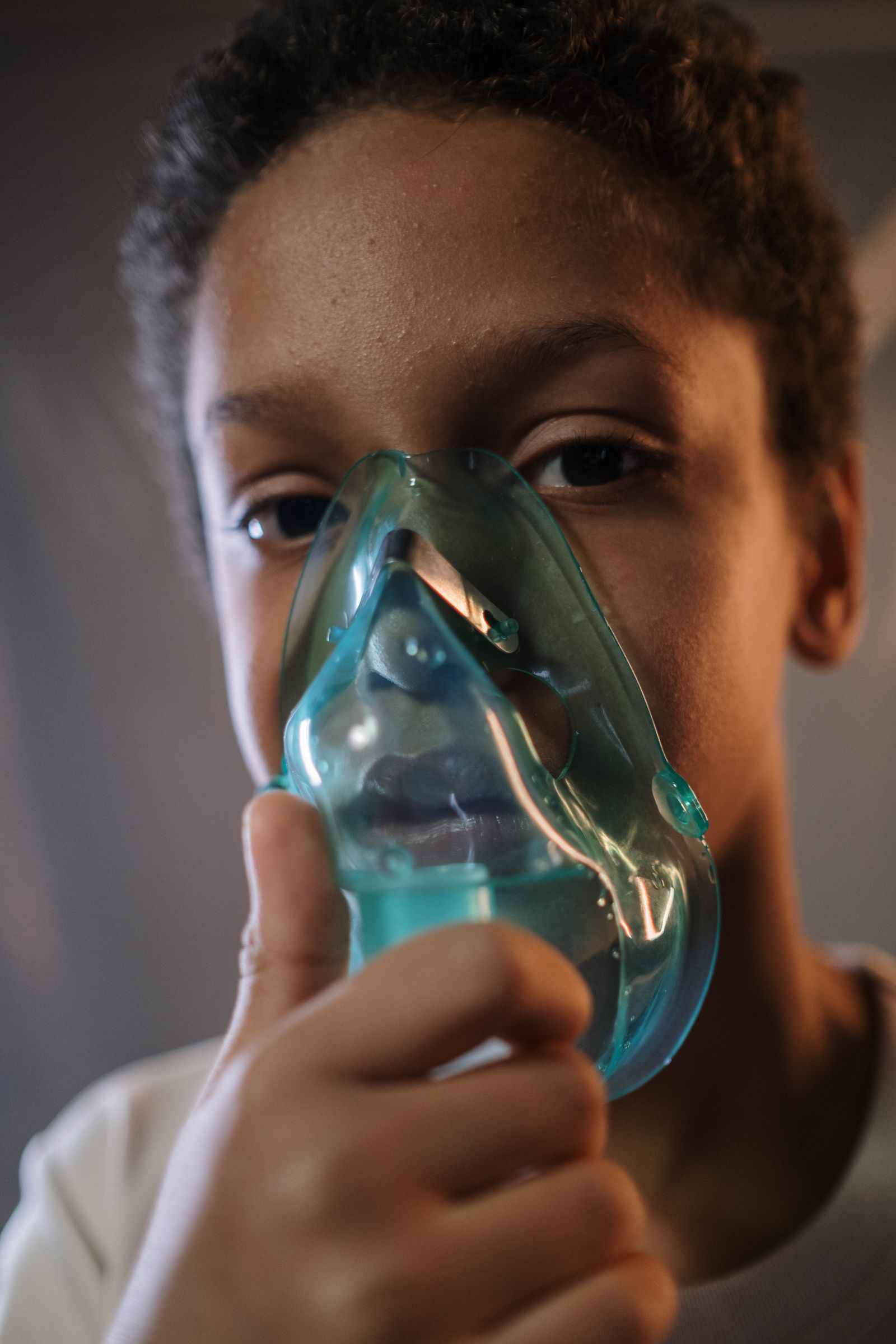
If your pediatrician or allergist just prescribed a metered-dose inhaler for a toddler, preschooler, or school-age child with asthma or reactive airways, you've probably already discovered the hard part: getting a young child to coordinate a deep, timed breath with pressing down on an inhaler canister. A spacer (sometimes called a holding chamber) solves that problem by turning one quick puff into a slow-moving cloud of medicine the child can breathe in over several normal breaths, often through a soft face mask instead of a mouthpiece. This guide compares real, widely-used kids' inhaler spacers so you can pick one that fits your child's age, mask tolerance, and current inhaler brand.
Comparison table
| Spacer | Price | Rating | Link |
|---|---|---|---|
 Nessi OTC Inhaler Spacer for Children (Blue/Kids) | $16.99 | 4.6 (1700) | View on Amazon |
 Nessi OTC Inhaler Spacer for Children (Medium) | $17.99 | 4.8 (538) | View on Amazon |
 Nessi OTC Spacer with Silicone Mask, Anti-Static Chamber & Exhalation Valve | $17.99 | 4.7 (422) | View on Amazon |
 Nessi OTC Spacer, Soft Fit Mask, Portable & Lightweight (Blue/Kids) | $15.99 | 4.7 (123) | View on Amazon |
 Soft Silicone Inhaler Spacer for Kids, Fun Colorful Design (Green) | $16.99 | 4.6 (852) | View on Amazon |
The picks, reviewed
Nessi OTC Inhaler Spacer for Children (Blue/Kids)
Pros
- One-way valve design that most toddlers accept without a fight
- Comes in a bright kid-friendly color that makes it easy to spot in a diaper bag
- Compatible with most standard metered-dose inhalers
Cons
- Face mask cushion is firm out of the box and softens with a few uses
- No hard carrying case included
Who should skip it: Parents who want a padded, contoured mask for a very young infant may want to look at a model built specifically for newborns instead.
Nessi OTC Inhaler Spacer for Children (Medium)
Pros
- Medium mask size fits preschool through early elementary faces well
- Clear chamber lets you watch the mist and confirm your child is actually inhaling
- Easy to disassemble for washing
Cons
- Medium sizing runs a touch large for toddlers under two
- Valve can feel stiff for the first several uses
Who should skip it: If your child is still an infant or very small toddler, the smaller mask size in this same line is a better starting point.
Nessi OTC Spacer with Silicone Mask, Anti-Static Chamber & Exhalation Valve
Pros
- Silicone mask seals more softly against the face than hard plastic alternatives
- Anti-static chamber reduces medication sticking to the walls, so less gets wasted
- Exhalation valve makes it obvious when a full dose has been delivered
Cons
- Slightly bulkier than the basic version, less pocket-friendly
- A little pricier than the entry-level spacers on this list
Who should skip it: Families who just need a bare-bones backup spacer for the diaper bag may not need the extra silicone-mask features here.
Nessi OTC Spacer, Soft Fit Mask, Portable & Lightweight (Blue/Kids)
Pros
- Genuinely lightweight and compact, good for the school backpack or travel bag
- Soft-fit mask is gentler on sensitive skin around the mouth and nose
- Straightforward one-piece assembly
Cons
- Fewer reviews than the bestselling versions in this lineup, so long-term durability data is thinner
- Compact size means a smaller holding chamber than some rivals
Who should skip it: If chamber volume matters most for your child's prescribed dose, a full-size spacer chamber may be a better match.
Soft Silicone Inhaler Spacer for Kids, Fun Colorful Design (Green)
Pros
- Soft, flexible silicone body is comfortable for kids who resist masks
- Playful color makes the routine feel less clinical for anxious children
- Well-reviewed for durability after repeated cleaning cycles
Cons
- Only available in a single accent color
- Whistle/flow indicator (if present on some units) can be harder to hear for very quiet breaths
Who should skip it: Older kids who have graduated to a mouthpiece-only technique probably don't need a mask-style spacer like this one.
How we chose
We focused on spacers that are explicitly marketed and sized for children rather than adult-only chambers, favored listings with a substantial number of verified buyer reviews and a rating of 4.5 stars or higher, and looked for models that include a mask (since most younger kids need one) as well as a visible or audible cue that a dose was delivered. We also checked that each spacer is described as compatible with standard metered-dose inhaler canisters, since fit varies between inhaler brands and spacer models.
Buying guide: what actually matters
- Mask size vs. mouthpiece. Infants and toddlers almost always need a mask that seals gently around the nose and mouth; older kids (usually school age and up) can often switch to a mouthpiece-only spacer, which some children find less babyish.
- Valve feel. A valve that's too stiff can discourage a small child from inhaling fully. Softer one-way valves tend to work better for younger or weaker breathers.
- Chamber material. Anti-static chambers reduce how much medicine sticks to the inside walls, which matters more with certain steroid inhalers than with rescue inhalers.
- Ease of cleaning. Look for a spacer that takes apart into just a couple of pieces — daily or weekly washing is part of the routine, and a fiddly design gets skipped.
- Inhaler compatibility. Not every spacer fits every inhaler canister snugly. If your child uses a specific brand-name inhaler, check the listing's compatibility notes or ask your pharmacist before buying.
Final verdict
There's no single "best" spacer for every child — the right pick depends heavily on your child's age, how well they tolerate a mask, and which inhaler they've been prescribed. For most parents starting out with a younger child, a mask-style Nessi OTC spacer with a soft valve is a safe, well-reviewed first choice, while older kids who've outgrown the mask can move toward a lighter, more portable mouthpiece design. Whichever you choose, ask your child's doctor or pharmacist to confirm it's compatible with the exact inhaler prescribed, since spacers are a delivery aid, not a substitute for the medication itself.
This article is for general shopping guidance only and is not medical advice. Always follow your child's prescribing doctor's instructions for inhaler and spacer use.
Frequently asked questions
Does my child actually need a spacer with their inhaler?
Most doctors recommend a spacer for children using a metered-dose inhaler because it's very hard for young kids to coordinate pressing the canister with a slow, deep breath. A spacer turns the spray into a cloud they can breathe in more naturally, which usually means more medicine reaches the lungs instead of the back of the throat.
What's the difference between a spacer with a mask and one with just a mouthpiece?
Mask versions seal around the nose and mouth and work well for infants, toddlers, and any child who can't reliably form a seal with their lips around a mouthpiece. Mouthpiece-only spacers are typically for older kids who can close their lips around it and take a controlled breath on cue.
How do I know if a spacer fits my child's specific inhaler?
Check the product listing for stated compatibility with standard metered-dose inhaler canisters, and when in doubt, ask the pharmacist who filled the prescription — they can usually confirm fit for your exact inhaler brand in a minute.
How often should a kids' inhaler spacer be cleaned?
A common routine is a rinse in warm soapy water about once a week, then air-drying without wiping the inside (to avoid static buildup that can affect medicine delivery). Always follow the cleaning instructions included with your specific spacer.
Can one spacer be shared between siblings?
It's best for each child to have their own spacer and mask, both for hygiene reasons and because mask sizing differs by age. If cost is a concern, most of these spacers are inexpensive enough to buy one per child.