Best PPD-Free Hair Dye: 6 Real Picks for Safer At-Home Color (2026)
Six genuine PPD-free permanent hair color kits for anyone whose scalp reacts to standard box dye, compared on shade range, coverage claims and real buyer feedback.
In this article
- Who this guide is for
- The picks
- PHYTO Phytocolor Permanent Hair Color, Black
- PHYTO Phytocolor Permanent Hair Color, Chocolate Light Brown
- Naturtint Light Brown Root Retouch Creme
- Schwarzkopf Simply Color, Dark Golden Blonde
- BioHueZ PPD-Free Natural Hair Color, Obsidian Black
- No Gray Permanent Root Touch-Up, Medium Brown
- How we chose these picks
- Final verdict
- Frequently asked questions
Who this guide is for
PPD (para-phenylenediamine) is the ingredient behind most permanent box-dye allergic reactions -- itching, redness, swelling, even blistering along the hairline. If a standard drugstore dye has ever left your scalp burning, or a patch test has come back positive for PPD sensitivity, you don't have to give up on covering grays or changing your shade. A real PPD-free formula swaps that chemical out (often for other permanent-dye technology) so most people with a PPD allergy can still color their hair. This guide compares six genuinely PPD-free kits sold on Amazon so you can pick one that matches your shade and coverage needs.
| Product | Shade | Rating | Link |
|---|---|---|---|
 | PHYTO Phytocolor Permanent Hair Color, Black | 4.0/5 | View on Amazon |
 | PHYTO Phytocolor Permanent Hair Color, Chocolate Light Brown | 4.2/5 | View on Amazon |
 | Naturtint Light Brown Root Retouch Creme | 4.1/5 | View on Amazon |
 | Schwarzkopf Simply Color, Dark Golden Blonde | 4.0/5 | View on Amazon |
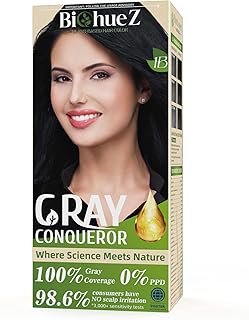 | BioHueZ PPD-Free Natural Hair Color, Obsidian Black | 4.4/5 | View on Amazon |
 | No Gray Permanent Root Touch-Up, Medium Brown | 3.9/5 | View on Amazon |
The picks
PHYTO Phytocolor Permanent Hair Color, Black
PHYTO is a French botanical brand that has built its whole permanent-color line around skipping PPD, ammonia and resorcin at once, so it's a solid starting point if you've reacted to more than one ingredient in past dyes.
Pros: Plant-oil base leaves hair noticeably softer than typical box dye; genuinely full three-way free-from claim (ammonia, PPD, resorcin); true black shade holds well between touch-ups.
Cons: Smaller tube size than US drugstore boxes, so long or very thick hair may need two kits; premium price for a single-use tube.
Who should skip it: Anyone who wants a big-box-store price point or needs enough product for waist-length hair from one tube.
PHYTO Phytocolor Permanent Hair Color, Chocolate Light Brown
Same formula family as the black shade above, in a warmer chocolate-brown tone with full gray coverage claimed on the box -- a good middle-ground shade for anyone transitioning away from harsher chemical dyes without losing depth of color.
Pros: Same triple free-from formula (ammonia, PPD, resorcin); botanical pigments give a natural, non-flat brown; conditions as it colors.
Cons: Like the black shade, one tube may not stretch across very long hair; shade can lean slightly warmer than the box photo on very light starting hair.
Who should skip it: Anyone starting from bleached or very light blonde hair looking for a dramatic lift -- this is a deposit-only permanent color, not a lightener.
Naturtint Light Brown Root Retouch Creme
Naturtint built its reputation on ammonia-free permanent color, and this root-retouch size is aimed squarely at people who just need to blend regrowth between full-head applications rather than redo the whole head.
Pros: No added artificial fragrance, which matters for reactive scalps; smaller retouch size cuts down on wasted product and cost per use; ammonia-free formula is gentler on previously colored hair.
Cons: Retouch size isn't meant for a full first-time color job; shade matching root growth to faded ends takes a little practice.
Who should skip it: First-time colorists doing an entire head of virgin hair -- look at a full-size kit instead of the retouch size.
Schwarzkopf Simply Color, Dark Golden Blonde
Schwarzkopf's Simply Color line is dermatologist-tested and explicitly labeled free of PPD, PTD and silicone, making it one of the more mainstream drugstore-style options for buyers who still want a familiar big-brand kit.
Pros: Explicit "No PPD & PTD" claim printed on the box; familiar salon-style cream applicator most box-dye users already know how to use; warm golden-blonde tone with good gray blending.
Cons: Runs pricier than most other Schwarzkopf lines; golden tones can shift brassy on very porous or previously highlighted hair without a toning shampoo afterward.
Who should skip it: Anyone wanting an ash or cool-toned blonde -- this shade leans warm and golden by design.
BioHueZ PPD-Free Natural Hair Color, Obsidian Black
A newer entrant built specifically around a PPD-free promise for deep black shades, which is historically one of the hardest colors to find without PPD since it's traditionally used for depth and longevity in dark dyes.
Pros: Purpose-built for a true black without PPD, a genuinely hard shade to find PPD-free; strong early buyer satisfaction and repeat-purchase volume; budget-friendly price versus European PPD-free imports.
Cons: Newer brand with a shorter review history than the legacy names on this list; color longevity reports are more mixed than the established brands.
Who should skip it: Buyers who prioritize a decades-long brand track record over trying a newer formula.
No Gray Permanent Root Touch-Up, Medium Brown
The budget pick on this list, aimed at fast root touch-ups in medium brown rather than a full-head transformation, with both PPD and ammonia left out of the formula.
Pros: Lowest price point on this list; quick application built for regrowth touch-ups, not a long salon-style process; both PPD and ammonia free in one formula.
Cons: Smaller brand with a much shorter review history; medium brown is the only shade widely available, limiting color choice.
Who should skip it: Anyone needing a shade outside medium brown, or a full-head color rather than a root touch-up.
How we chose these picks
We only shortlisted products whose own Amazon listing explicitly states PPD-free (or PPD and ammonia-free together) in the title or bullet points -- we didn't infer it from a brand's general reputation. From there we favored a spread of shades (true black, chocolate brown, light brown root touch-up, golden blonde) so this guide is useful whatever your natural or target color is, and we cross-checked star ratings against review volume so a handful of five-star reviews couldn't outrank a product with a longer, more mixed track record.
Final verdict
If you want the most thoroughly free-from formula and don't mind a smaller tube, PHYTO's Phytocolor line (in either black or chocolate light brown) is the safest bet for reactive scalps. If you only need to blend regrowth, Naturtint's root-retouch cream or the No Gray touch-up kit will get you there for less. For buyers who want a familiar drugstore-style application with an explicit no-PPD claim, Schwarzkopf Simply Color is the easiest transition, while BioHueZ is worth a look specifically if true black is the shade you're chasing.
Frequently asked questions
Frequently asked questions
Does PPD-free mean the dye is 100% hypoallergenic?
No. PPD-free removes the single most common permanent-dye allergen, but other ingredients (fragrance, other dye intermediates, preservatives) can still cause a reaction in some people. Always do a patch test 48 hours before a full application, even with a PPD-free formula.
Will a PPD-free dye cover gray hair as well as a regular box dye?
Most of the PPD-free permanent formulas on this list, including PHYTO and Schwarzkopf Simply Color, are marketed with full gray-coverage claims and use alternative permanent-dye technology to bond color, so coverage is generally comparable. Semi-permanent PPD-free options will fade faster and cover gray less completely than a permanent one.
Is PPD-free the same thing as ammonia-free?
No -- they're separate claims. PPD is a colorant ingredient linked to allergic reactions; ammonia is used to open the hair cuticle. A dye can be one without the other, so check the label for both claims separately if you're avoiding both.
Can I switch straight to a PPD-free dye if I've reacted to a regular dye before?
Many people with a PPD reaction can use PPD-free dyes without issue, but a prior reaction means you should always patch test the new product first and consider asking an allergist about a formal PPD sensitivity test before your next full application.
Why is true black one of the harder shades to find PPD-free?
PPD has traditionally been valued in dark and black permanent dyes because it helps create depth and long-lasting color. Formulating a true black without it is more difficult, which is why fewer brands (PHYTO's black shade and BioHueZ among them) explicitly offer it.